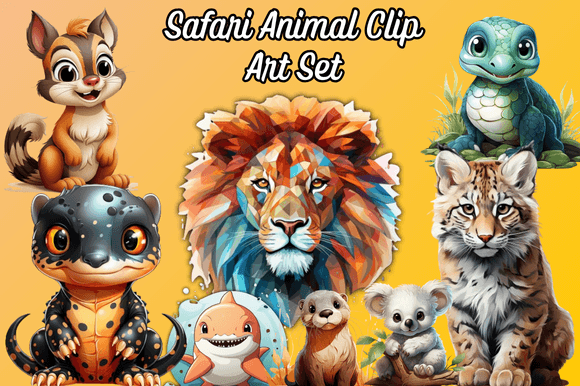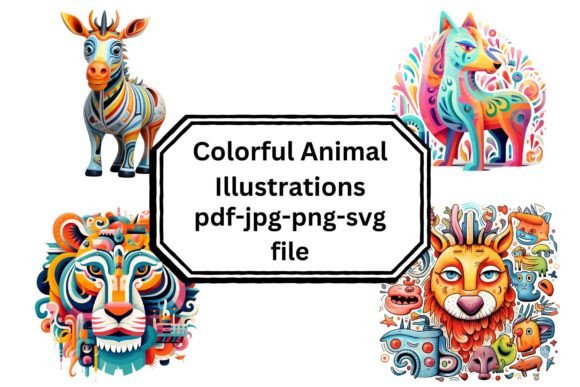
Colorful Animal Illustrations: A Visual Feast for Creative Projects
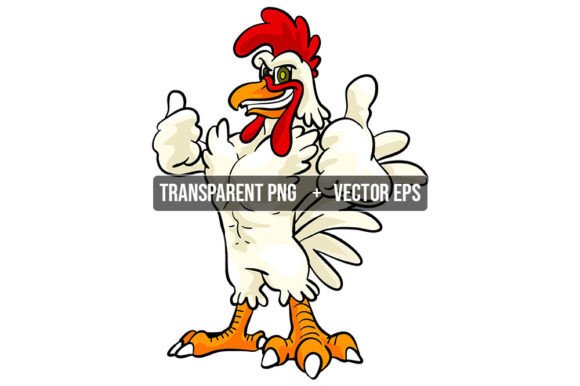
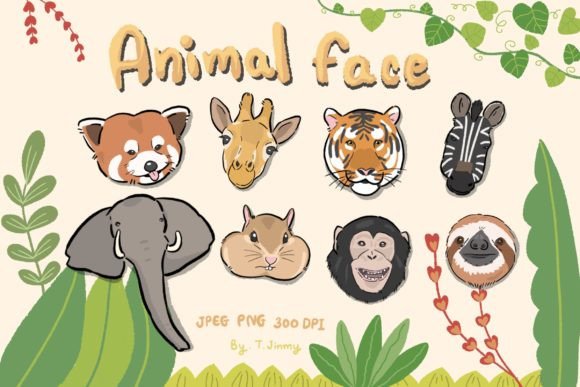
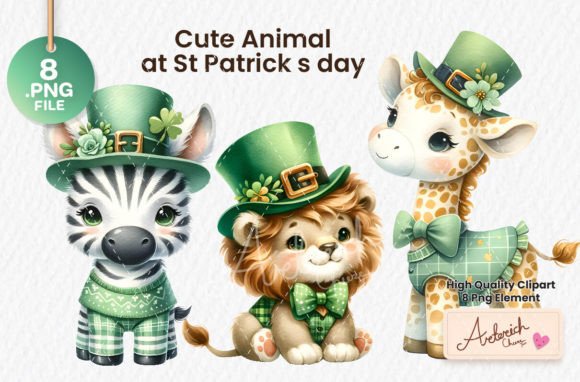
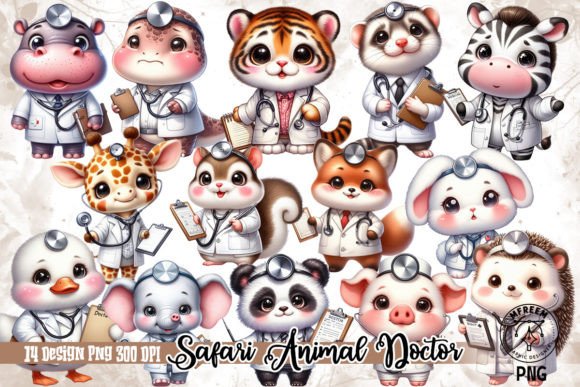
There's something undeniably magnetic about the natural world's color palette. Think about it: the electric blue of a morpho butterfly, the fiery orange of a Bengal tiger, or the deep, iridescent green of a hummingbird's throat. This isn't just random beauty; it's a masterclass in color theory, contrast, and visual impact. That's precisely the energy captured in Colorful Animal Illustrations. This collection isn't just about pretty pictures of animals. It's about distilling the raw, vibrant essence of wildlife into a versatile design asset that can inject life, personality, and a serious dose of visual appeal into a wide range of projects.
At its core, this style of illustration is a celebration of bold, unapologetic color. We're talking saturated hues that pop off the page, intricate patterns that draw the eye in, and a joyful, almost celebratory tone that feels both modern and timeless. The personality here is confident, creative, and full of energy. It’s the perfect antidote to bland, generic visuals. Whether it's the detailed texture of reptilian scales rendered in emerald and gold or the soft, flowing plumage of a tropical bird in vibrant pinks and purples, each piece acts as a creative font for the eyes—a visual language that speaks directly to emotion and wonder.
Where This Visual Style Truly Shines
The real power of Colorful Animal Illustrations lies in their versatility. They aren't confined to a single niche. For brand identity, they offer an incredible opportunity for businesses that want to project a sense of creativity, nature, vitality, or playful sophistication. Imagine a boutique skincare brand using a detailed, colorful illustration of a peacock feather on its packaging. Or a eco-friendly startup incorporating a stylized, vibrant coral reef into its logo design and marketing materials. The illustrations become more than decoration; they become a core part of the brand's story, making it instantly recognizable and memorable.
In the world of editorial design and packaging design, these illustrations are absolute gold. They can transform a magazine spread about travel or biology from informative to captivating. For product packaging—think gourmet foods, artisanal beverages, or specialty teas—a beautifully rendered animal illustration can elevate the entire unboxing experience, signaling quality and care before the product is even used. The style works brilliantly for web design hero sections, blog post headers, and social media graphics where stopping the scroll is the primary goal. A vibrant toucan or a strikingly patterned poison dart frog is far more engaging than a stock photo.
Making It Work: Practical Guidance for Your Projects
So, how do you actually use this style effectively? First, consider your project's personality. Colorful Animal Illustrations thrive in contexts that value creativity and visual impact. They might be a perfect fit for a children's book publisher, a adventure travel blog, or a music festival poster, but could feel out of place on a corporate law firm's website. It’s about aligning the visual energy of the illustration with the message you need to convey.
Next, think about font pairing. This is where a lot of designers get stuck. The key is balance. Because the illustrations are so visually rich, your typography often needs to play a supporting role. A clean, geometric sans serif font for body text provides excellent readability and lets the artwork breathe. For headlines, you could use a bold serif font to add a touch of classic sophistication, or a simple display font that doesn't compete for attention. Avoid overly ornate script fonts or handwritten fonts for primary text, as they can clash with the detail in the illustrations. The goal is harmony, not a shouting match.
Finally, always consider the practicalities. If you're using these illustrations commercially, ensure you have the proper licensing. Look for collections that offer high-resolution files suitable for both print and digital use. Test how the illustrations look at different scales—will that intricate zebra pattern still be clear when used as a small icon? Does the color palette hold up in both CMYK for print and RGB for screens? Paying attention to these details ensures your use of Colorful Animal Illustrations is not only beautiful but also professional and effective, helping you build a cohesive and engaging visual presence that truly stands out.