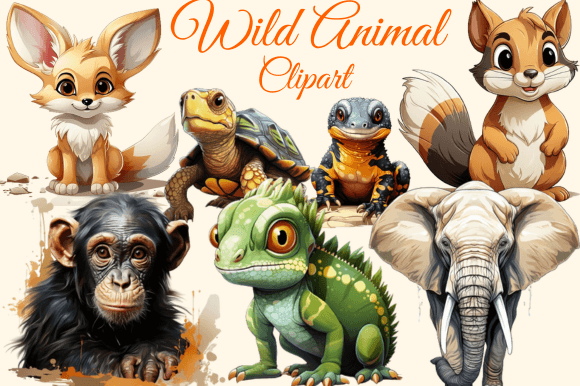
Wild Animal Clipart: A Bold Asset for Modern Creators
In the crowded landscape of digital design, finding assets that balance versatility with distinct personality is rare. We often search for the perfect typeface or graphic set that can elevate a project from "good enough" to truly memorable. This is where high-quality wild animal clipart steps in, offering a dynamic solution for designers, marketers, and entrepreneurs looking to infuse their work with energy and character. Far from being simple doodles, these graphics serve as powerful design assets that can anchor a brand identity or energize a marketing campaign.
Visual Character and Design Appeal
When we talk about the visual style of a curated wild animal collection, we are looking at more than just illustrations of lions, bears, or foxes. It is about the specific rendering style—whether it’s a modern vector look, a textured vintage aesthetic, or a playful watercolor effect. The personality of these assets often dictates the tone of the final product. A fierce, geometric bear design might suggest strength and durability, making it perfect for outdoor adventure branding or rugged apparel. Conversely, a softer, illustrated panda might evoke feelings of comfort and playfulness, ideal for children’s bedding or nursery decor.
The appeal lies in the immediate recognition and emotional connection animals trigger. Unlike abstract shapes, a wild animal clipart set provides a narrative hook. For the small business owner, this means instant storytelling. You aren’t just selling a mug; you are selling a vibe—a "morning jungle" vibe or a "safari sunset" aesthetic. The high-definition nature of premium sets ensures that these details remain crisp, whether they are printed on a tiny sticker or a large-format banner.
Strategic Applications: From Brand Identity to Product Lines
Understanding where these assets work best is key to maximizing their value. In the realm of brand identity, wild animal clipart can serve as a mascot or a recurring motif that builds brand recognition. For instance, a coffee roaster might use a roaring bear icon across their packaging design and social media graphics to consistently reinforce their brand message of bold flavors. This consistency helps in building a professional image that audiences remember.
For entrepreneurs in the print-on-demand space, the utility is even more direct. The prompt mentions "shirts, hats, cups," and this is exactly where high-quality graphics shine. Sublimation printing requires high-resolution files—typically 300 DPI or higher—to prevent pixelation on physical products. A robust clipart set provides the flexibility to scale designs for a center-chest t-shirt graphic or wrap them around a ceramic mug without losing integrity.
Furthermore, these assets are invaluable in editorial design and publishing. A blogger writing about eco-tourism or a publisher designing a cover for a nature-themed novel can use these illustrations to set the mood. Instead of relying on expensive, single-use stock photography, a versatile clipart set allows for the creation of custom headers, web backgrounds, and scrapbooking layouts that feel cohesive. It bridges the gap between professional graphic design and accessible crafting, allowing hobbyists to create greeting cards that look store-bought.
Practical Guidance for Implementation
Choosing the right wild animal clipart requires a discerning eye. First, evaluate the "personality" of the art against your target audience. If you are marketing to a demographic that appreciates minimalism and modern typography, look for clipart with clean lines and flat colors. If your audience leans towards rustic or bohemian styles, seek out hand-drawn or textured illustrations. The goal is to ensure the asset complements your existing visual hierarchy rather than fighting against it.
Next, consider the technical aspects of font and image pairing. Just as a designer pairs a serif font with a sans-serif font for contrast, you must pair your imagery with your typography. A bold, heavy animal graphic pairs well with a strong sans-serif typeface for headlines. If the clipart is intricate and detailed, a cleaner, sans-serif font will ensure readability in the body text. Avoid pairing busy wild animal clipart with overly decorative script fonts or handwritten fonts, as this can create visual clutter and reduce engagement.
Finally, always review the licensing and file formats included. For commercial use—whether you are selling physical products or digital goods—ensure the license explicitly permits this. Look for sets that include PNG files with transparent backgrounds; these are essential for layering the animal graphics over photos or colored backgrounds in your design software. JPGs are useful for backgrounds, but PNGs offer the flexibility needed for professional layering. By treating these assets as integral components of your creative toolkit, you can transform standard projects into compelling visual narratives that capture attention and drive results.